And frankly, shooting on film in this day and age seems like an extraordinary amount of labor for a result that Ryan from Ohio will eventually watch on his phone during a two-hour flight from Toledo to Wisconsin.
You shoot it on 70 millimeter.
You transport the reels.
You develop the negative.
You scan it.
You edit it digitally.
You transfer it back.
You pray the projector is properly calibrated.
You beg the theater not to replace your screening with another superhero sequel.
And then Lisa watches it on an iPad in the school pickup line while answering three emails and ordering groceries.
Someone should continue shooting on film.
Absolutely.
Civilization needs monks.
But that monk will not be me.
I would use digital technology without apology, then spend the money where audiences can actually see it.
On the world.
On the cities.
On the costumes.
On the armies.
On the temples.
On thousands of human beings moving through the frame.
On Uruk rising from the earth like a civilization that has just discovered its own power and already suspects that power will destroy it.
I would not build a polished, symmetrical, computer-generated Mesopotamia on a soundstage in Atlanta.
I would shoot the film in Anatolia.
Near my own village, if possible.
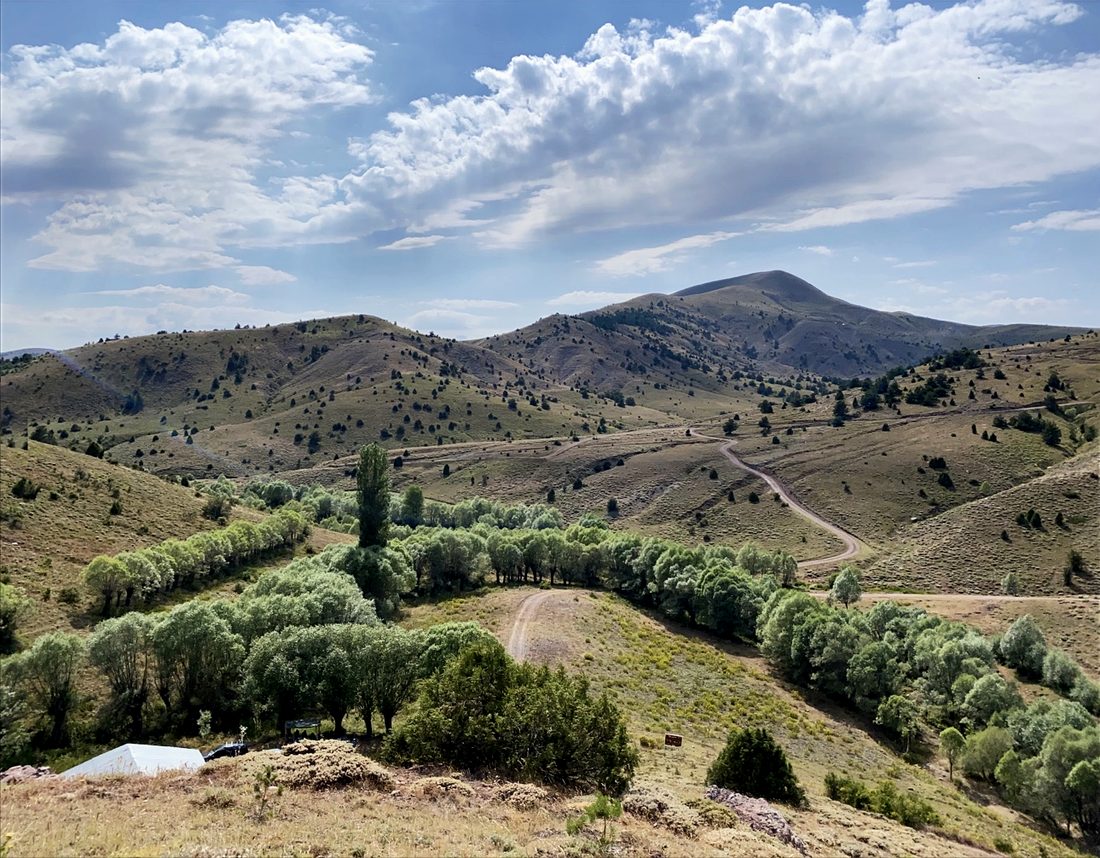
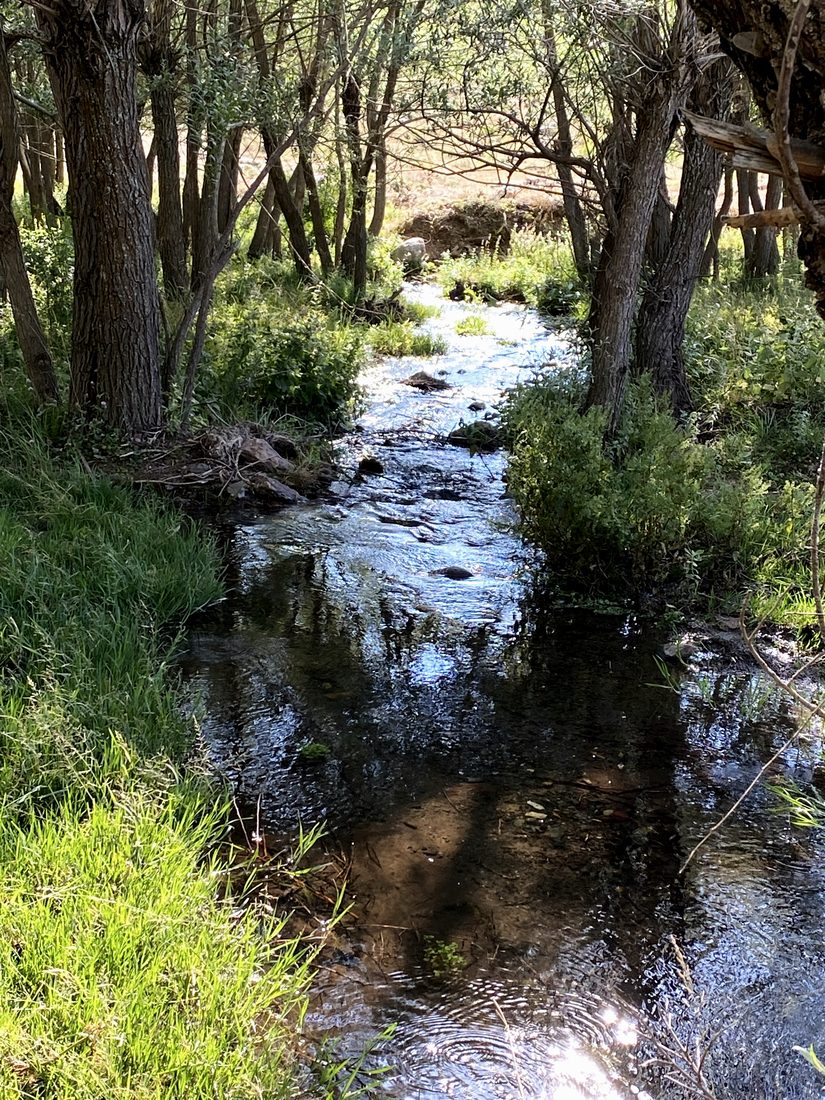
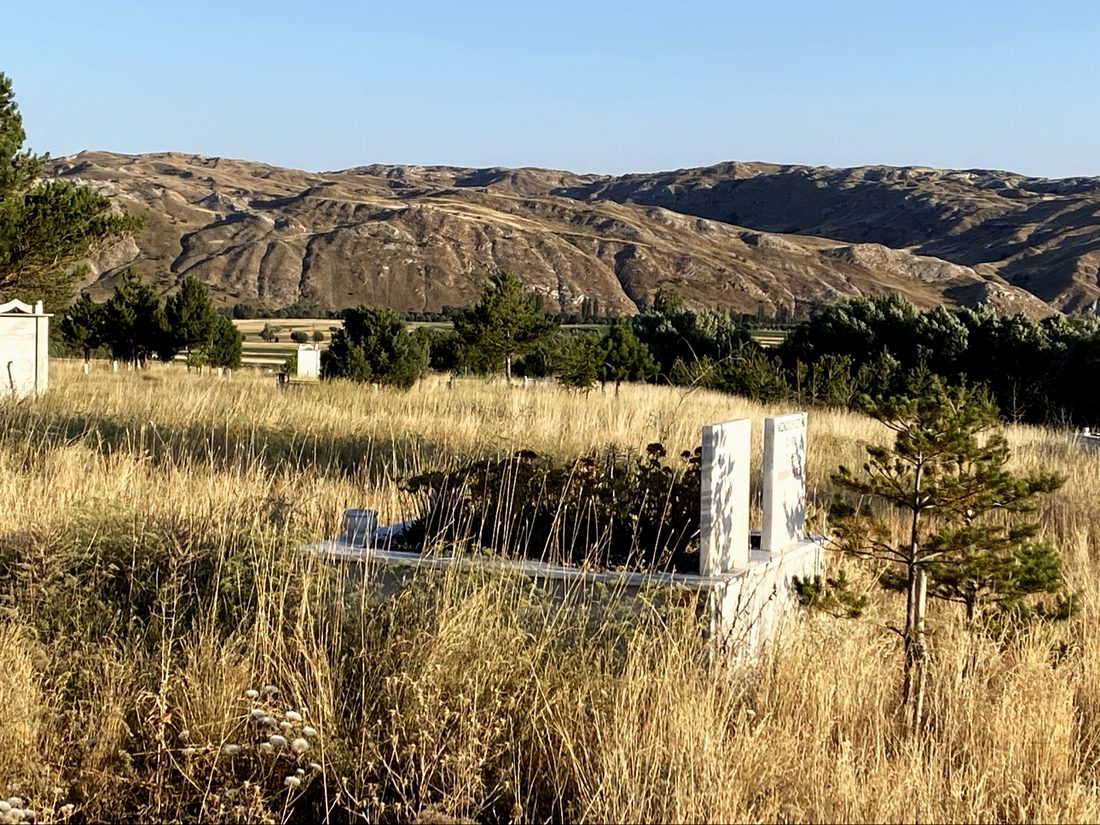
In the great, scorched emptiness of Central Anatolia, where the land does not need art direction to look ancient.
The sun has already done the work.
It has been burning our skulls for thousands of years.
The hills are bare. The earth is cracked. The villages rise from the ground in the same colors as the ground itself. The wind carries dust, animal breath, smoke and the memory of vanished empires.
You do not need to manufacture history there.
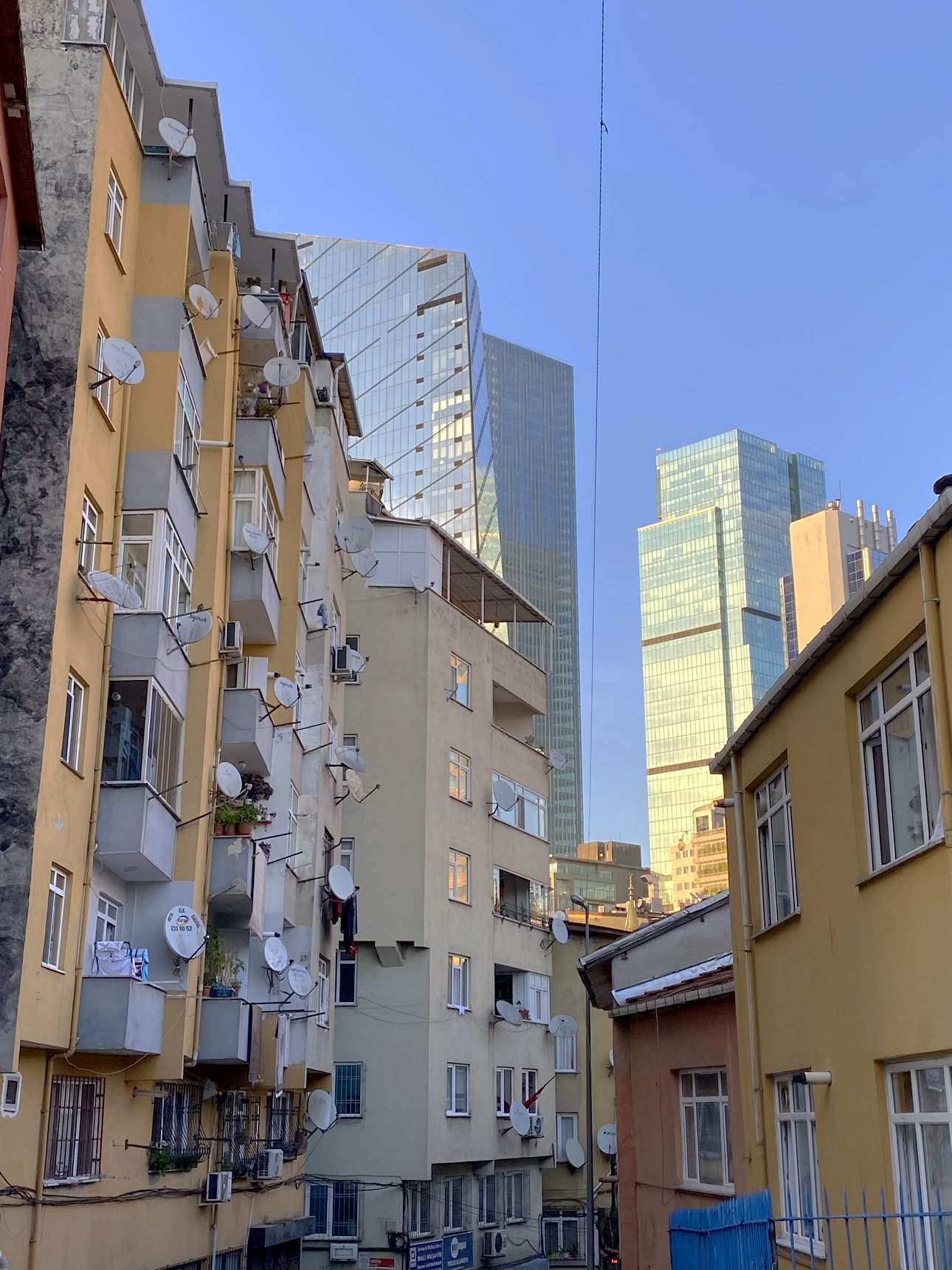
You merely need to remove the electrical wires.
And perhaps one stubborn satellite dish.
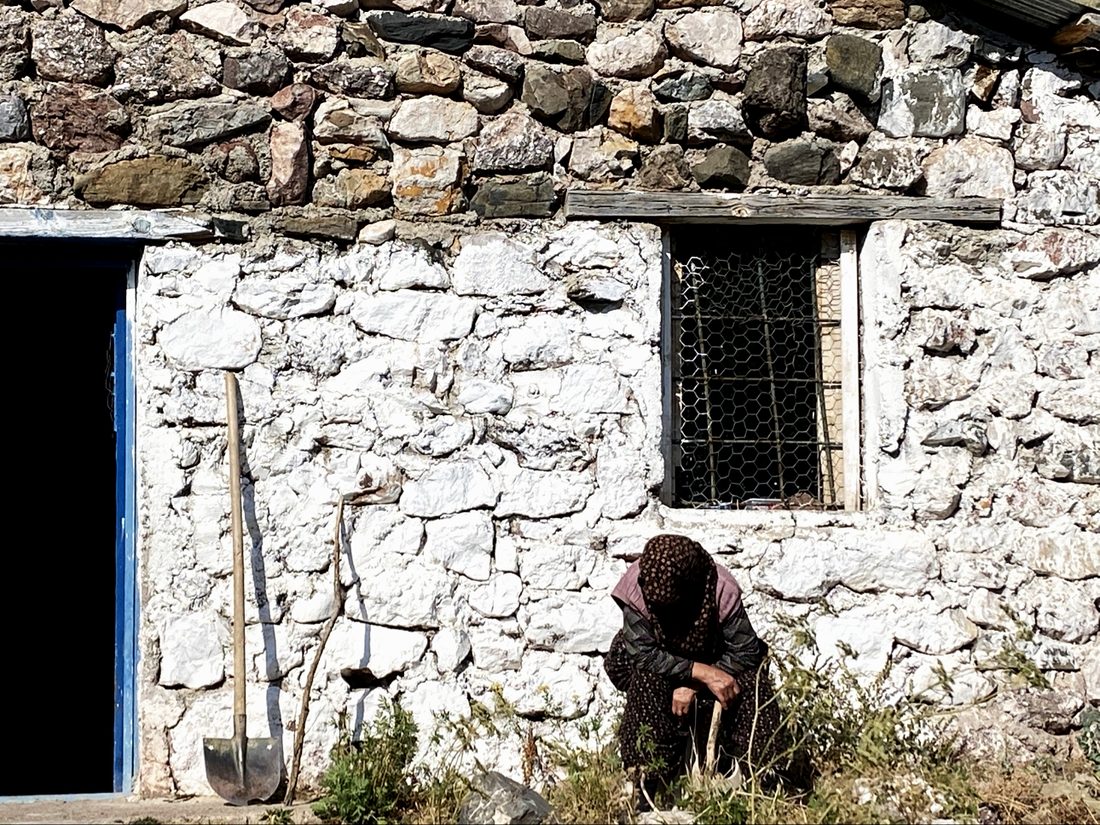
I would populate the film with Anatolian villagers.
My people.
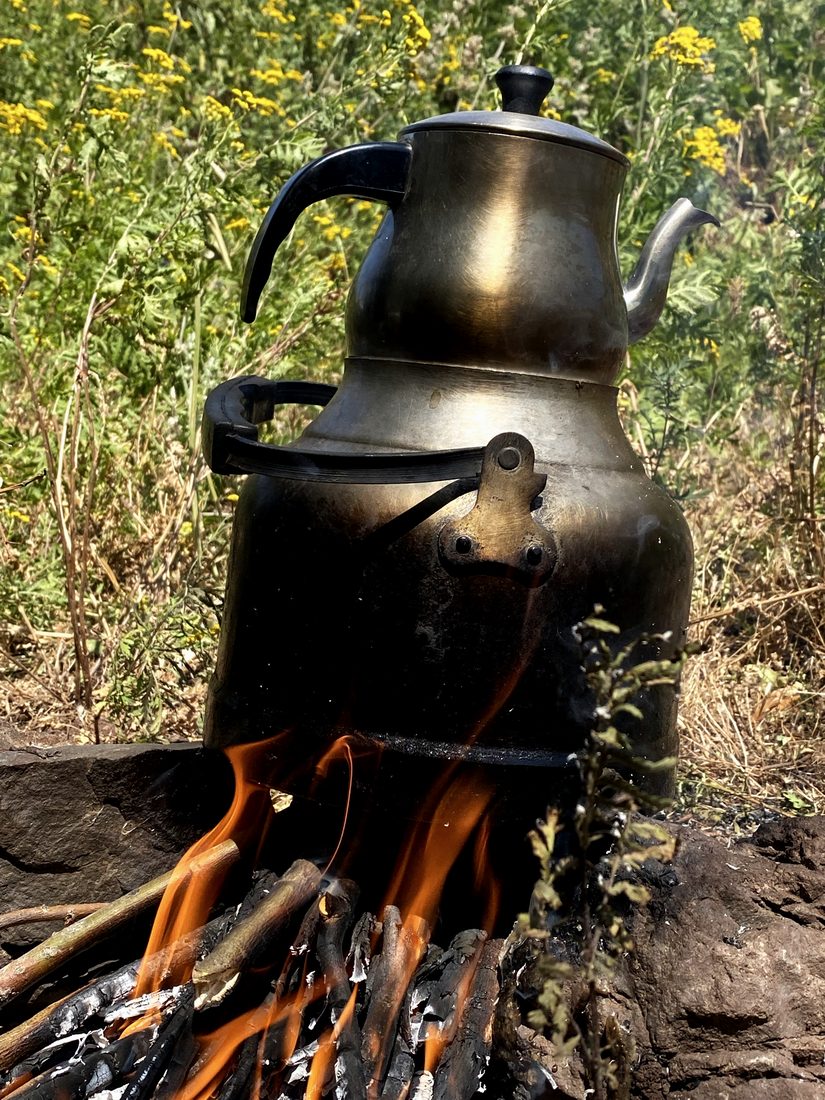
Men whose faces already contain four thousand years of drought, harvest, war, taxation, disappointment and tea.
Women who can look into a camera and make an entire studio full of trained executives feel morally inadequate.
Shepherds who know how to stand beside an animal without looking as though they have just met one for the first time.
Children who can run barefoot across stone without the production shutting down for an insurance consultation.
These would not be decorative extras wandering vaguely behind the stars.
They would be the world.
They would fill the markets, the courtyards, the temples, the fields and the city gates. They would give the film its gravity. The great lie of so many historical epics is that the past appears to have been inhabited by twelve famous actors and several thousand computer-generated peasants.
My film would feel inhabited.
It would smell inhabited.
You would feel the heat, the sweat, the animals, the bread, the mud, the copper, the blood and the beer.
And no, I would not cast Zendaya.
I would not cast Matt Damon.
I would not cast Tom Holland.
I would certainly not cast Anne Hathaway.
I mean no disrespect to any of them. They are talented, beautiful and, I assume, pleasant people.
But I am tired of seeing the same eight faces surviving every century of human history.
Apparently Matt Damon has been stranded on Mars, fought in medieval France, worked for the CIA, built an atomic bomb and lived through nearly every important event since the invention of photography.
Let the man rest.
There must be another actor somewhere.
For Gilgamesh, I would search the theaters of Istanbul, Ankara, Diyarbakır, Tehran, Beirut, Tbilisi, Cairo and Damascus.
I would look for great stage actors whose faces have not yet been turned into products.
Actors who understand that language has weight.
Actors who know how to stand still.
Actors who do not need six lines of dialogue and a swelling soundtrack to inform us that they are grieving.
I want a Gilgamesh who looks as though he could build a city, terrorize it, lose the only person he loves, challenge the gods and then walk to the edge of the world because he cannot accept that he, too, will die.
I want an Enkidu who does not look like a personal trainer who wandered away from a luxury gym.
I want someone who appears to have been made from earth.
Someone who can be animal, brother, lover, rival and doomed man, sometimes within the same scene.
I want faces we do not recognize, because recognition is the enemy of myth.
The moment a famous actor enters the frame, part of the audience says, "Oh, look, there is so-and-so."
I do not want them to see an actor.
I want them to see a king.
I want them to see a goddess.
I want them to see death approaching.
Now, if Viola Davis wishes to play a goddess or a queen, she is welcome.
At that point, history, geography, anthropology, the internet and the rest of the world may go fuck themselves.
Because Viola Davis could enter a temple, look at Gilgamesh once, and make him understand why mankind spent thousands of years fearing the gods.
And before anyone begins composing an outraged essay about the complexion of ancient Mesopotamia, allow me to offer a small geographical clarification.
Mesopotamia is not Scandinavia.
Anatolia is not the Baltic.
These were lands of merciless sun.
We are not people who emerged from misty forests carrying bowls of porridge.
We are dark people.
Olive people.
Brown people.
Sunburned people.
People whose ancestors spent their days beneath a sky that offered no shade and no apology.
I would cast accordingly.
Not because I am obeying some contemporary political fashion, but because the land itself demands it.
The earth has a color.
The people shaped by that earth should belong to it.
I would also refuse to have everyone speak English with a vaguely British accent.
Nothing has done more damage to antiquity than the strange Hollywood belief that all ancient civilizations attended the Royal Academy of Dramatic Art.
Gilgamesh would not say, "Enkidu, old fellow, I fear the gods may be rather cross with us."
The film would be performed in ancient languages.
Sumerian.
Akkadian.
Perhaps Hittite where the adaptation and geography require it.
I would hire scholars from Ankara University and from the great departments devoted to ancient Anatolian and Mesopotamian civilizations.
The sort of scholars who spend half their lives under the sun excavating a wall and the other half writing a seventy-page paper about why everyone else has misunderstood the wall.
I would bring them into the production.
They would reconstruct pronunciation.
They would advise the actors.
They would translate the screenplay.
The actors would learn the language phonetically and understand the meaning beneath every line.
Mel Gibson did this with The Passion of the Christ, and whatever one thinks of that film, the language immediately stripped away the comfortable distance between the audience and the world on screen.
Subtitles would not make Gilgamesh less accessible.
They would make it more mysterious.
More physical.
More sacred.
The words should sound excavated.
They should sound as though they have been buried beneath sand for four thousand years and have only now been spoken again.
Of course, the scholars would eventually become angry with me.
This is inevitable.
At first, they would be delighted.
Finally, they would say, a major motion picture is taking our work seriously.
They would send me books.
They would visit the set.
They would stand proudly beside reconstructed tablets.
Then they would see the finished film.
One of them would publish an op-ed explaining that a particular ceremonial vessel did not appear in that region until approximately one hundred and thirty years after the period represented.
Another would object to the dimensions of a city gate.
A third would accuse me of combining three versions of the epic that should never, under any circumstances, be combined.
There would be conferences.
Panels.
Perhaps a symposium titled The Cinematic Betrayal of Gilgamesh: Myth, Material Culture and the Violence of Adaptation.
They would say I had violated history.
To which I would respond, respectfully, that The Epic of Gilgamesh is a poem about a man who is two-thirds divine, befriends a wild man created from clay, kills a monstrous guardian, rejects a goddess, loses his companion, searches for immortality, meets a survivor of a world-destroying flood and returns home carrying the knowledge that he must die.
We may already have departed slightly from documentary realism.
I would listen to the scholars.
I would learn from them.
I would use everything they could teach me.
And then I would betray them.
Tenderly.
Intelligently.
Magnificently.
Because cinema is not an illustrated lecture.
Cinema is not archaeology with a soundtrack.
Cinema is a director's medium.
The scholar signs the paper.
The director signs the film.
At some point, historical accuracy must kneel before emotional truth.
I am not interested in making a film that merely teaches audiences what ancient Uruk may have looked like.
I want to make them understand why human beings built walls in the first place.
Why kings confuse power with immortality.
Why friendship is the only force capable of civilizing a tyrant.
Why grief can turn the strongest man alive into a frightened child.
Why every city, every monument, every empire and every human body is built beneath the shadow of death.
That is the film.
Not the monster.
Not the battles.
Not the spectacle.
The terror of mortality.
Gilgamesh begins as a man who believes the world belongs to him.
Then Enkidu dies.
And for the first time, the king understands that he belongs to the world.
That it will take him too.
I would make the death of Enkidu the center of the film.
Not a plot point.
Not the tragic event that sends our hero into the third act.
The wound from which the entire film bleeds.
Gilgamesh would sit beside the body longer than modern screenwriting manuals would permit.
He would refuse to let Enkidu be buried.
He would speak to him.
Threaten him.
Beg him.
Become angry with him for dying.
He would watch for movement.
He would wait until the body begins returning to the earth.
No music would tell the audience how to feel.
No elegant monologue would rescue them.
We would remain there until death ceased to be an idea.
Only then would Gilgamesh flee.
Across deserts.
Through mountains.
Into darkness.
Not because he seeks adventure, but because he is terrified.
That is the secret of the epic.
The strongest man in the world is afraid to die.
And suddenly, a story written thousands of years ago becomes the story of every billionaire freezing his body, every king building a monument, every artist signing a canvas, every parent looking at a child, every human being quietly hoping that something of them will remain.
The film would be enormous, yes.
Cities, armies, storms, gods, monsters, forests and floods.
But the spectacle would always serve the intimate terror beneath it.
A man loses his friend.
A man discovers death.
A man searches the ends of the earth for a loophole.
There is no loophole.
In the end, Gilgamesh returns to Uruk.
He has not conquered death.
He has not become immortal.
He has failed.
And yet he stands before the walls of his city and finally sees them.
Not as proof of his greatness.
Not as an extension of his ego.
But as the work of human hands.
Temporary hands.
Mortal hands.
Hands that build knowing that one day they will disappear.
That is where I would end the film.
No triumphant coronation.
No promise of a sequel.
No title card announcing the rise of another franchise.
Gilgamesh places his hand against the wall.
The sun is setting.
The city continues around him.
Workers carry stone.
Women bake bread.
Children run through the streets.
Someone laughs.
Someone mourns.
Someone is born.
Someone dies.
Gilgamesh looks at what human beings have made together, and understands that immortality was never hidden in some distant plant at the bottom of the sea.
It was here.
In the wall.
In the city.
In the friend he loved.
In the story that survived him.
Then we cut to black.
And somewhere in Los Angeles, a studio executive puts down his phone, looks across the room and says:
"Find this man."
I will be in Central Anatolia.
Standing beside Roger Deakins.
Waiting for the light.